With 1,400 seeds = 28g = ~10g protein and ~10g essential fatty acids, or could grow as many as 1,400 more cannabis plants.
Tomb in Siberia reveals humans were using cannabis 2800 years ago
Genomic studies suggest that the domestication of cannabis plants (Cannabis sativa) was happening in China about 12,000 years ago, with people potentially exploiting it for oil and hemp fibre.
Now, Gino Caspari at the University of Bern in Switzerland and his colleagues found the Tunnug 1 burial mound in the Uyuk Valley of southern Siberia.
The royal burial mound dates to the time of the Scythians, nomads renowned for their military skills and horseback archery who spread across a huge swathe of Eurasia.
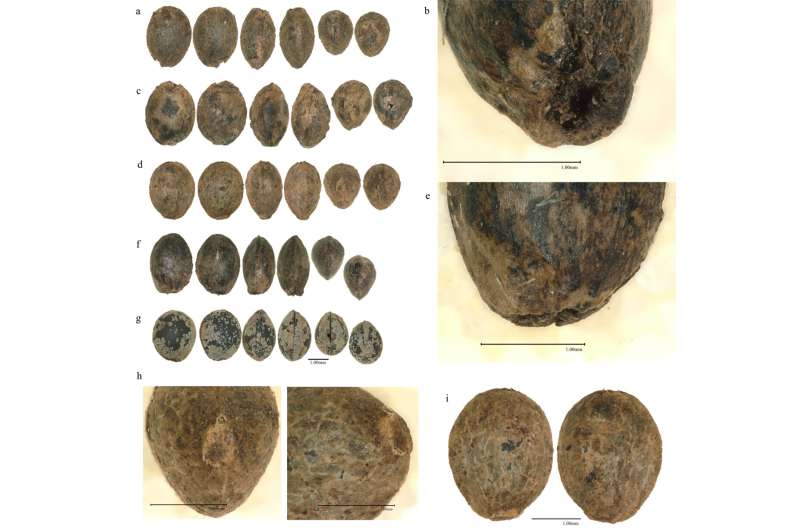
In an excavation trench at the centre of the mound, Caspari and his colleagues recovered almost 1000 whole cannabis seeds. Radiocarbon dating indicated that they were deposited around the start of the 8th century BC, 2800 years ago.
Adam Brumm, an archaeologist at Griffith University in Australia, who recently showed that people were sucking betel nuts to extract a pain-relieving compound up to 25,000 years ago in Indonesia.
There is also evidence that people chewed coca leaves in Peru 8000 years ago, and brewed beer in Israel 13,000 years ago.
The use of cannabis as a drug may extend much further back into prehistory than the archaeological record currently allows us to document, says Brumm.
Long before people deliberately cultivated cannabis, the plants may have been familiar “camp followers” thriving in the disturbed, nutrient-rich soils around human settlements, giving people ample opportunities to experiment with their properties, he says.
Science DOI: 10.1126/science.aeg3800